Various Locations Worldwide
World Cup Rugby Ball
SIZE
1,500 m²
FABRIC
PVC
BUILD
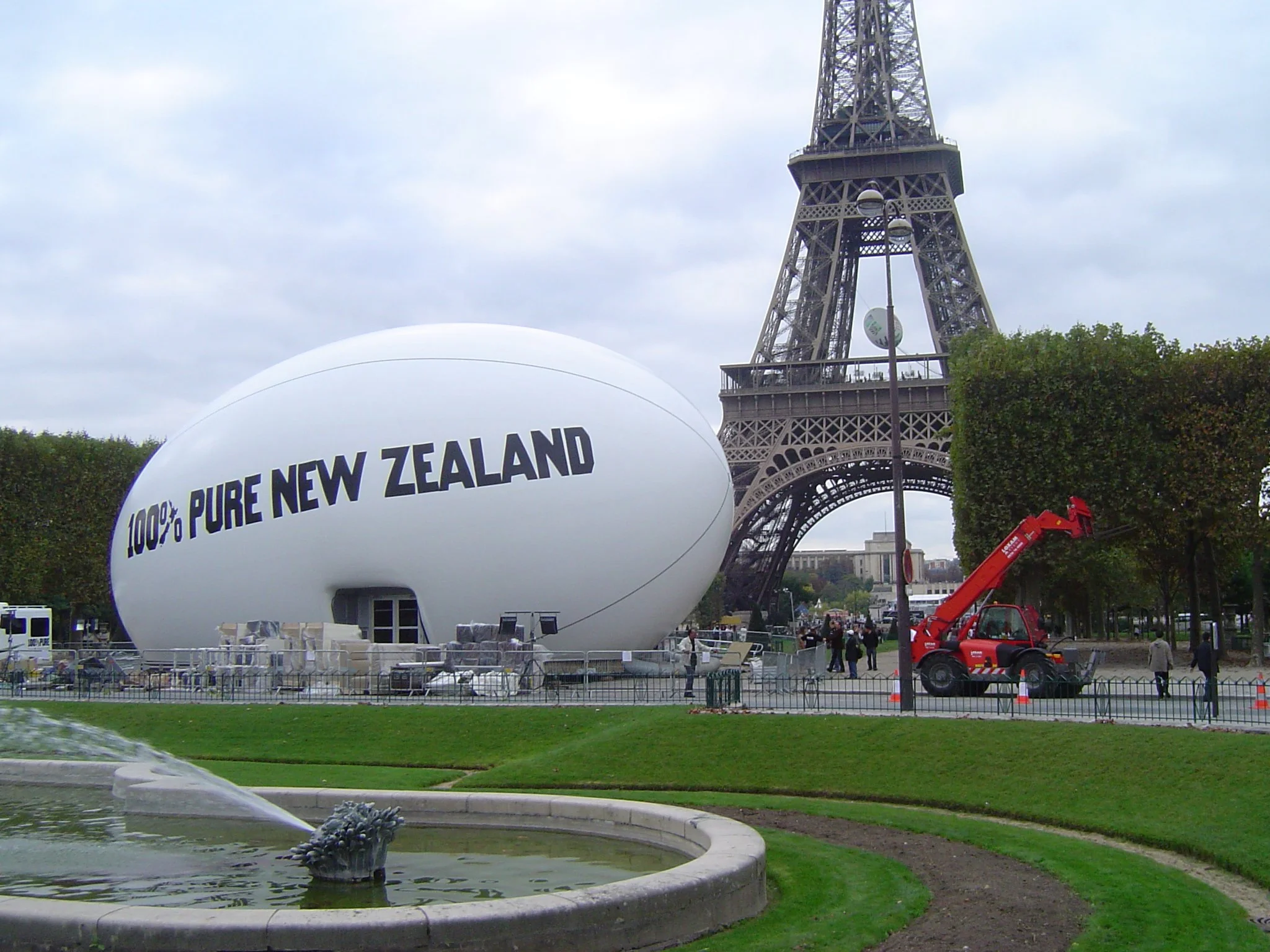
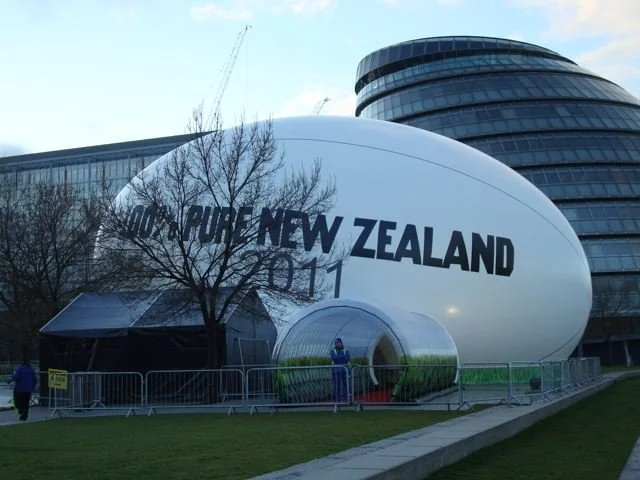
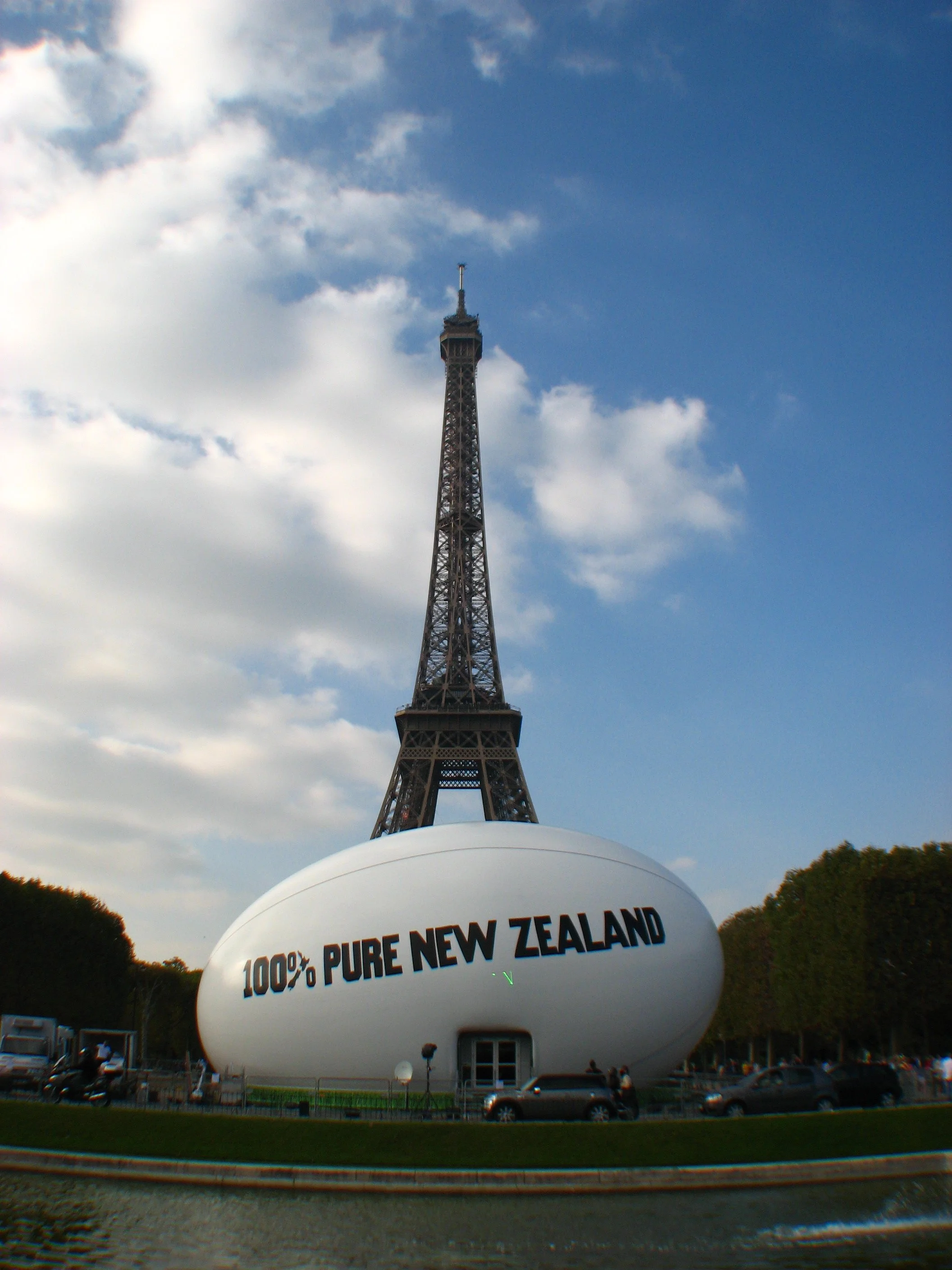
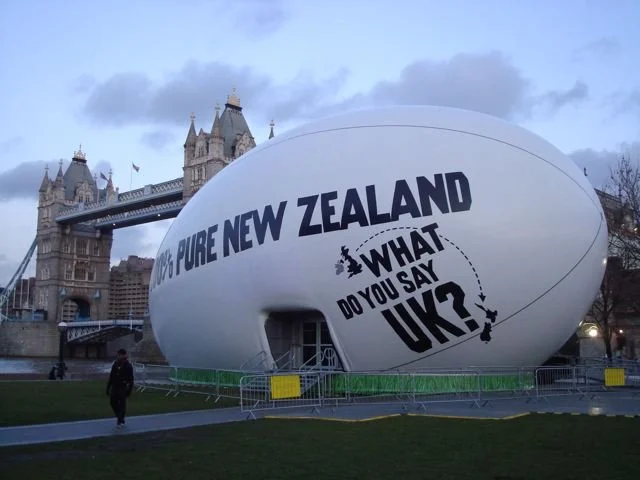
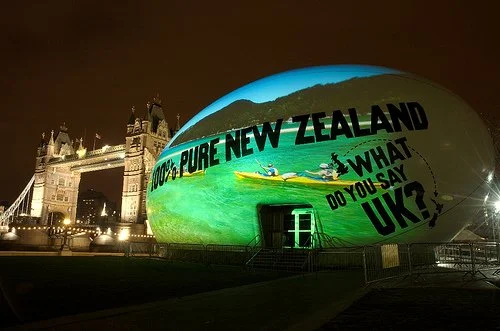
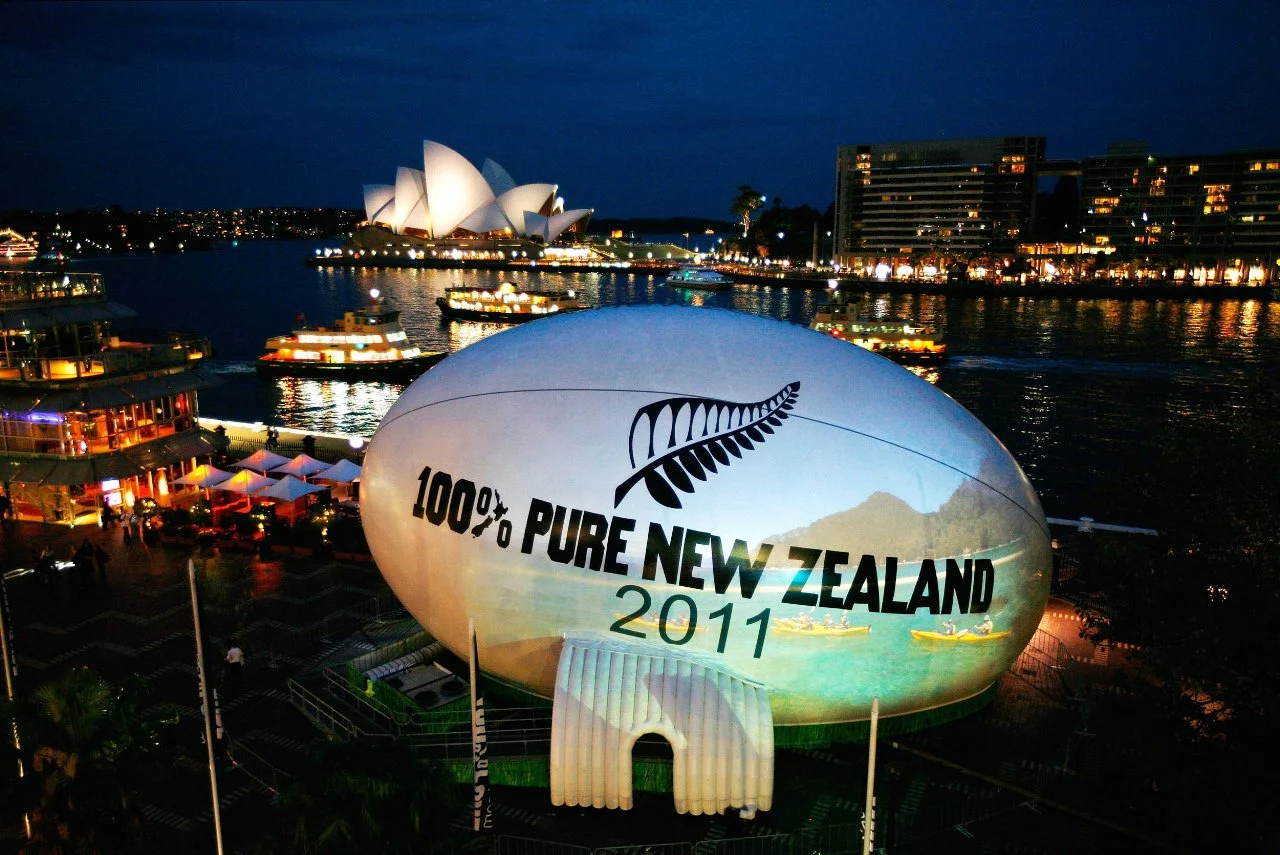
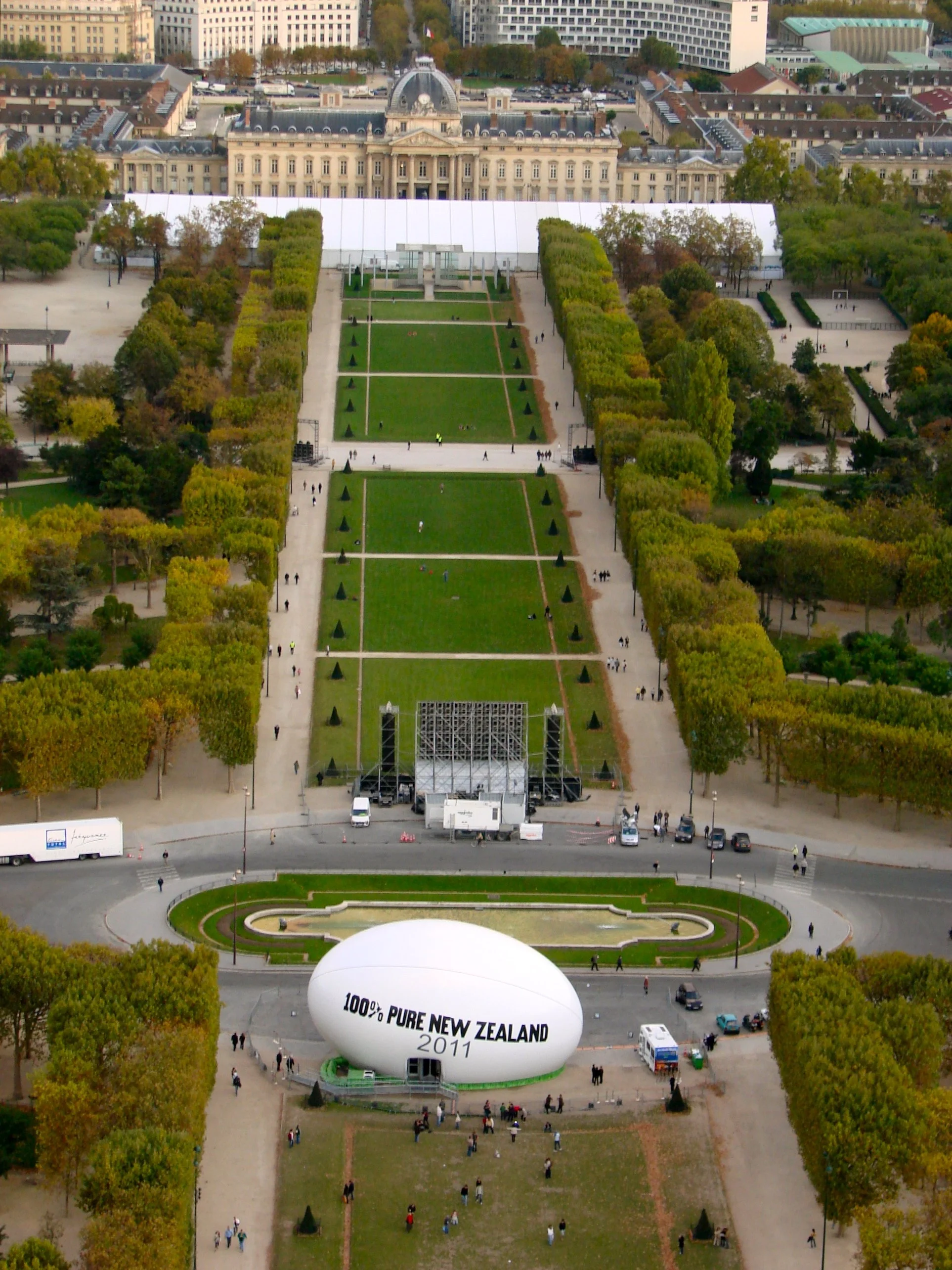
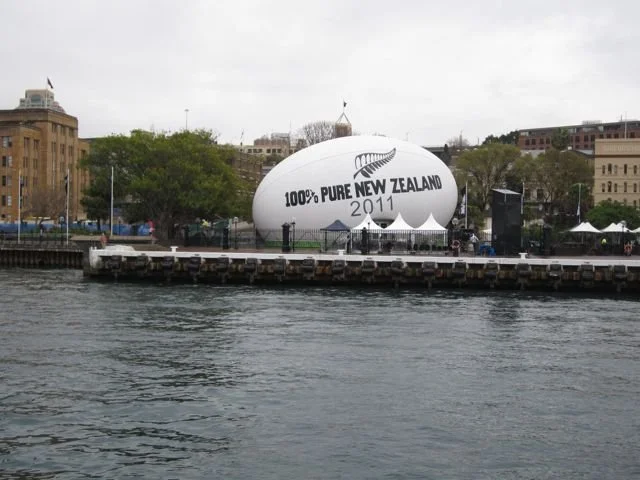
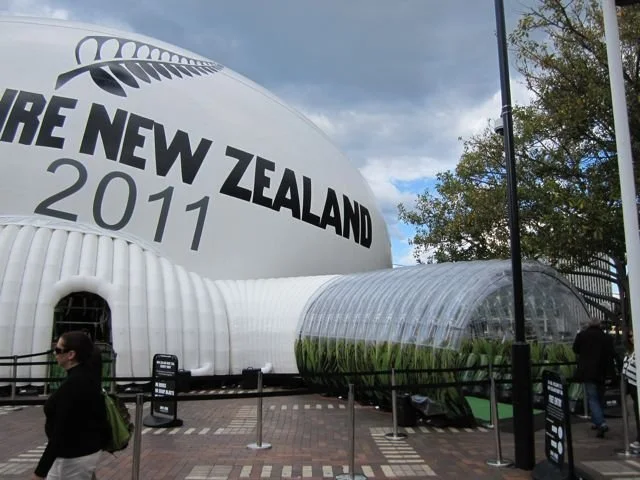
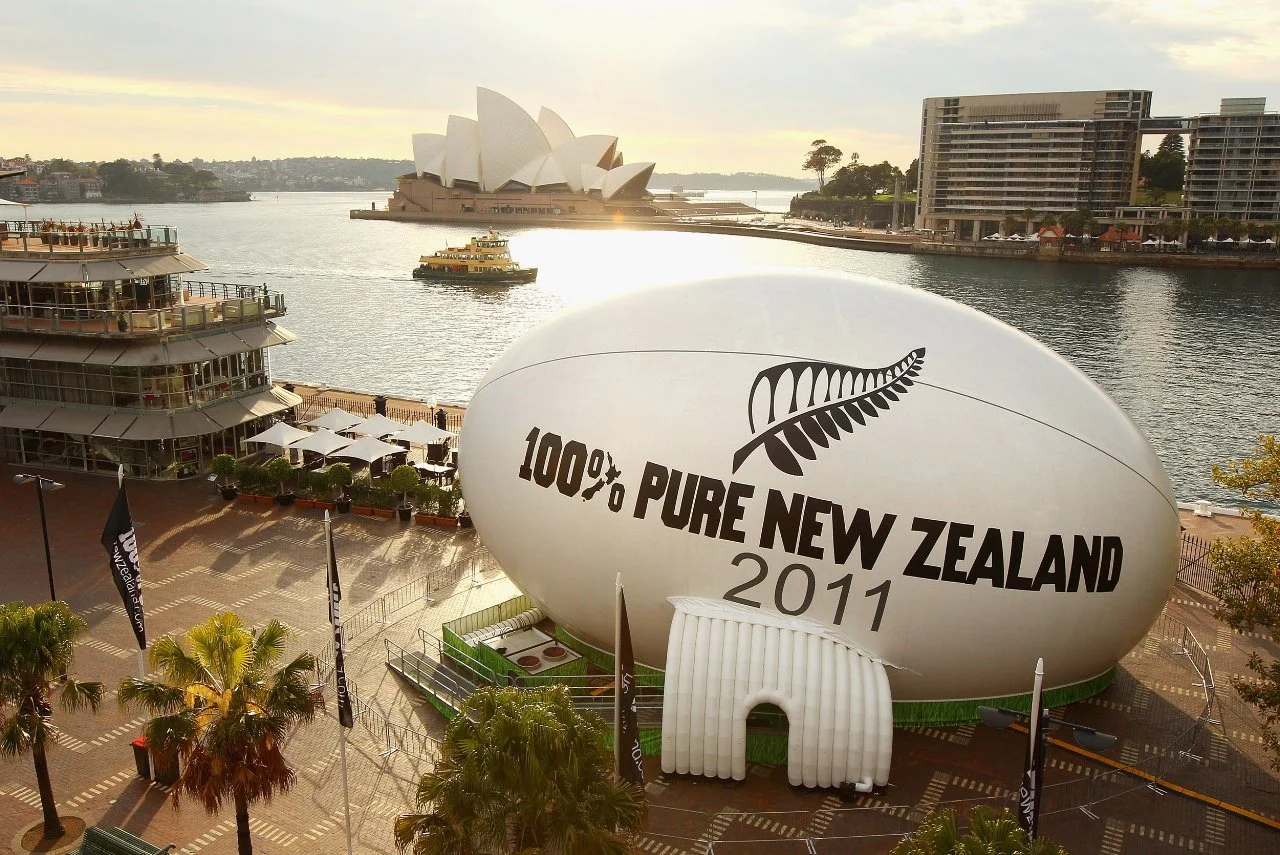
Originally commissioned by Tourism New Zealand as a high-profile international marketing installation, the Giant Rugby Ball became an iconic temporary structure promoting New Zealand in the lead-up to the 2011 Rugby World Cup. Designed and built in New Zealand by Fabric Structures, the structure travelled to Paris, London, Tokyo and Sydney before returning home for the tournament.
FS was engaged to design and build the 25m long inflatable venue, which measured 17m wide at its widest point and 13m high. Constructed from approximately 1,500sqm of PVC blockout fabric, the air-supported structure was designed to accommodate up to 220 people and could be constructed on site in just five days.
The scale and complexity of the structure presented a unique set of design and engineering challenges. Rather than simply creating an oversized rugby ball, the structure needed to function as a fully operational temporary venue, incorporating a revolving entrance door, seating, a mezzanine viewing area, serving facilities and storage, while maintaining the internal air pressure required to support the structure.
The interior was designed around a 10-minute audio-visual experience showcasing New Zealand's landscapes, culture, mythology and heritage. High-impact projection technology transformed the curved internal surfaces into different environments, from underwater scenes and beaches to volcanic landscapes and rugby stadiums. The structure also incorporated exterior projection capabilities, allowing it to become a large-scale illuminated feature during evening events.
After touring some of the world's most recognisable cities and attracting an estimated 75,000 visitors internationally, the Giant Rugby Ball returned to New Zealand for the 2011 Rugby World Cup. Installed at Auckland's Queen's Wharf fan zone, its homecoming attracted more than 86,000 visitors over six weeks, setting a new visitor record for the structure.
The project remains a standout example of New Zealand-designed temporary architecture, combining large-scale inflatable engineering with immersive event technology to create a structure that could be transported, repeatedly assembled and adapted for different locations around the world.